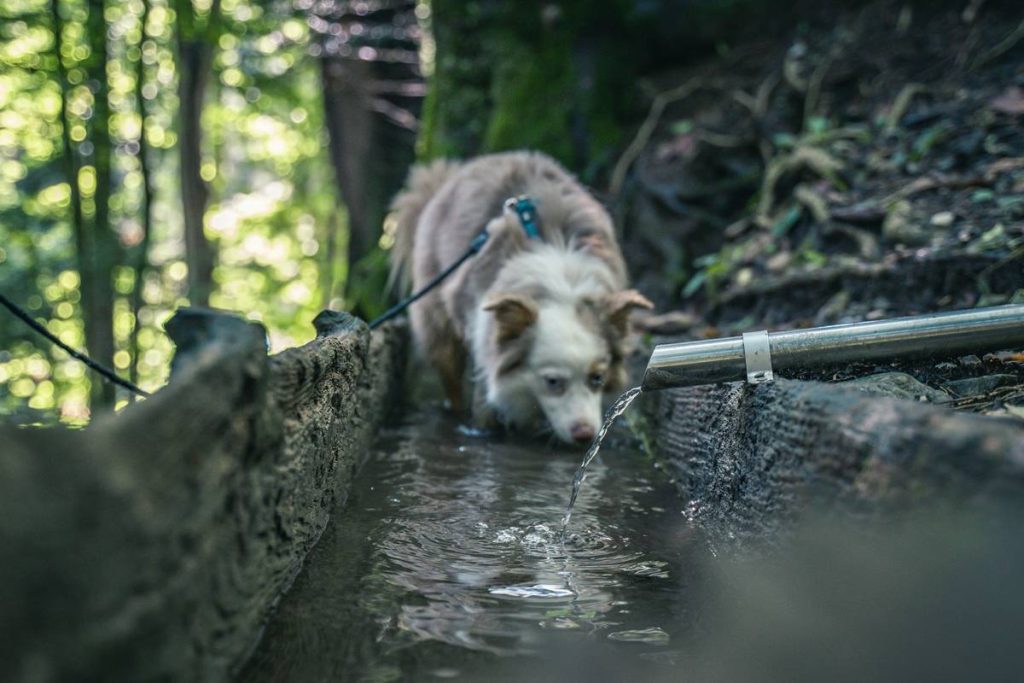
Your dog pants. Paws at empty bowls. Drinks from muddy puddles. You’re stuck carrying clunky bottles or refilling leaky containers every 20 minutes. Standard pet gear fails outdoors—spills, evaporates, or tips over in seconds. Here’s the fix: a purpose-built outdoor water bowl for dogs that stays full, stable, and fresh—even on rugged trails.
Why Most Dog Water Bowls Fail Outside
Plastic bowls tip with a breeze. Collapsible silicone cups collapse under a thirsty Lab’s shove. And don’t get me started on “hands-free” belts that drip more than they deliver.
The core issue? Design myopia. Manufacturers engineer for living rooms—not 90°F hikes with zero shade. Evaporation spikes. Wind gusts flip lightweight bowls. Dirt sneaks in. Your pup refuses to drink murky slop.
And yet—brands keep pushing the same flimsy solutions. Year after year.
How to Choose & Use an Outdoor Water Bowl for Dogs That Lasts
Forget gimmicks. Focus on three pillars: stability, capacity, and contamination control. Below is the exact comparison I use when testing gear for multi-day treks.
| Type | Capacity (oz) | Stability Score (1-5) | Contamination Risk | Best For |
|---|---|---|---|---|
| Foldable Silicone Bowl | 16–32 | 2 | High (open top, collects dust) | Quick stops, calm dogs |
| Hard-Shell Insulated Bowl | 40–64 | 4 | Low (lidded, insulated walls) | Hiking, hot climates |
| Attached Bottle + Bowl Combo | 20 (bowl) + 24 (reservoir) | 3 | Medium (spill-prone valve) | Urban walks, light trails |
| Weighted Base Stainless Steel | 32–48 | 5 | Very Low (non-porous, deep rim) | Wind-prone areas, large breeds |
Stability Isn’t Optional—It’s Survival
A wobbly bowl means wasted water. In deserts or dry forests, that’s dangerous. Look for rubberized bottoms or sand-fillable bases. Some models let you pack gravel inside—brilliant for cliffside campsites.
Insulation Slows Evaporation (More Than You Think)
On a 95°F day, uncovered water loses 20% volume in under two hours. Double-walled stainless steel cuts that loss by half. Not “nice-to-have.” It’s math.
Easy Clean = Consistent Use
If it takes tools to disassemble, you won’t clean it mid-trip. Prioritize one-piece designs or snap-open reservoirs. Bonus: antimicrobial coatings (like silver-ion infused plastic) delay biofilm—but don’t rely on them alone.
The Industry Secret: Most “Eco-Friendly” Pet Bottles Aren’t Recyclable
Here’s what brands won’t tell you: those “BPA-free” collapsible bowls? Often made from TPU-laminated polyester—a hybrid plastic that recycling plants reject. They end up in landfills anyway.
True sustainability means mono-material construction. A single-type polymer—or better yet, food-grade stainless steel—can be recycled cleanly. I’ve seen startups hide behind “plant-based” labels while bonding layers with petroleum-based adhesives. Greenwashing in plain sight.
Ask this: “Can this go into my curbside bin as-is?” If the answer’s no, it’s not eco-friendly—it’s marketing.
FAQ
Can I use a regular dog bowl outside?
No. Standard bowls lack UV resistance, tip easily, and offer zero insulation. They’re fine indoors—but fail fast in sun, wind, or uneven terrain.
How much water should I carry per dog?
Aim for ½ to 1 ounce per pound of body weight daily. On hikes, double that. A 50-lb dog needs 50–100 oz—so your outdoor water bowl for dogs must hold at least 32 oz with room to refill.
Are metal bowls safe in summer heat?
Yes—if insulated. Bare stainless steel gets hot, but double-walled designs stay cool to touch. Avoid aluminum unless lined; it leaches in acidic conditions (like saliva buildup).