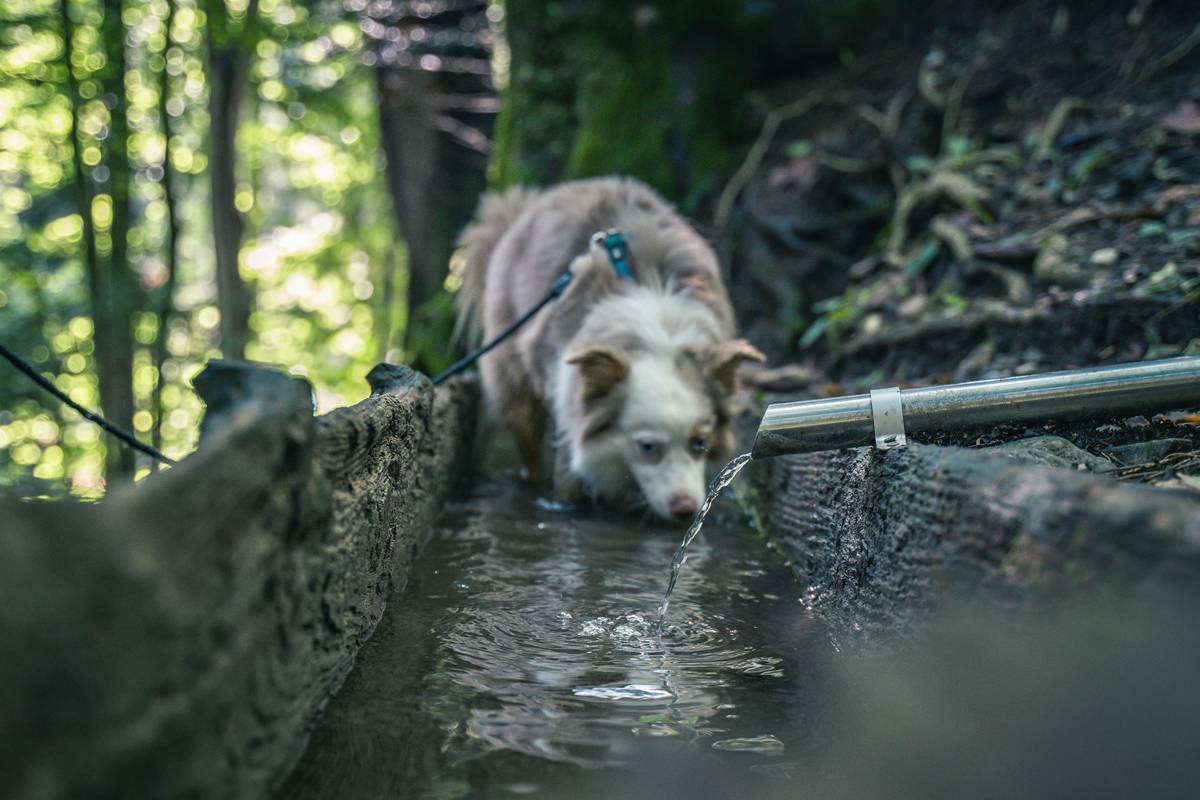
Dehydration on the trail isn’t just a human risk—your dog faces it too. Most portable bowls leak, collapse under paw pressure, or are made from questionable plastics that shed microfibers into pristine ecosystems. You love the wild. Your gear shouldn’t trash it. Enter the camping dog water bowl portable: lightweight, collapsible, and built from materials that respect both your pup and the planet.
Why Standard Pet Water Gear Fails in the Wild
That dollar-store silicone bowl? It’s a puddle waiting to happen. And those “eco” bottles with vague “BPA-free” labels often use recycled content laced with legacy contaminants—hidden trade-offs brands won’t advertise. Worse, many designs ignore dog ergonomics entirely.
Dogs don’t sip like humans. They lap aggressively—splashing, nudging, sometimes knocking over flimsy containers. Add wind, uneven terrain, or sandy ground, and your dog drinks less… or not at all. Dehydration creeps in fast. Heatstroke follows. And you’re miles from help.
The real issue isn’t convenience. It’s trust. Can you trust your gear to deliver clean water reliably—without costing the earth?
Choosing & Using a Camping Dog Water Bowl Portable: A Practical Guide
Not all portable bowls are created equal. Material, stability, and cleanability dictate performance more than price tags ever will.
Material Matters More Than You Think
Silicone sounds green—but only if it’s food-grade platinum-cured. Cheaper variants leach odors and degrade faster. Better options: TPU-coated ripstop nylon (lightweight + tough) or recycled ocean-bound plastics certified by Oceanic Standard. Avoid anything labeled just “recycled” without traceability.
Stability Is Non-Negotiable
A wide, weighted base isn’t luxury—it’s survival. Look for bowls with reinforced rims or fold-out feet. Some even embed tiny steel beads in the hem for wind resistance. Test it: fill it, nudge it with your foot. If it tips easily, skip it.
Cleanability = Health
Deep crevices trap biofilm. Dishwasher-safe? Great. But in the backcountry, you need wipe-clean surfaces. Seamless interiors win every time.
| Feature | Budget Option (<$15) | Mid-Tier ($15–$30) | Premium (>$30) |
|---|---|---|---|
| Material | Generic silicone | Platinum-cured silicone or TPU | Certified recycled ocean plastic + antimicrobial lining |
| Stability | Poor (tips easily) | Moderate (weighted rim) | Excellent (integrated counterweights) |
| Lifetime Use | 3–6 months | 1–2 years | 3+ years (with repair kits) |
| Eco-Cred | Low (no certifications) | Medium (B Corp or bluesign®) | High (Climate Neutral + 1% for Planet) |
The Industry Secret: What Brands Won’t Tell You About “Eco” Claims
Here’s the uncomfortable truth: most “sustainable” pet products offset carbon instead of reducing it at source. They buy credits while shipping single-use bottles globally. Real sustainability starts with design longevity—and modularity.
Top outdoor brands now build bowls with replaceable liners. One frame lasts a decade; you swap inner sleeves when worn. This cuts waste by 80% vs. full replacements. But you’ll rarely see this advertised—because it hurts repeat sales.
And get this: some manufacturers add titanium dioxide nanoparticles to make white bowls brighter. Turns out, those particles harm aquatic life when washed off in streams. The solution? Choose natural-colored gear. Less dye, fewer hidden toxins.
FAQ
Can I use a regular water bottle as a dog bowl?
No. Narrow spouts prevent proper lapping. Dogs need wide, shallow access to drink efficiently—especially when panting.
How much water should I carry per mile for my dog?
Roughly ½ to 1 ounce per pound of body weight per hour of activity in moderate temps. Double that in heat or high elevation.
Are stainless steel portable bowls eco-friendly?
They’re durable but heavy—increasing your pack weight and transport emissions. Better for car camping than backpacking unless ultralight versions exist.