You’re hiking. Your dog pants. You reach for that collapsible dog outdoor water bowl. It tips. Water spills. Your pup licks dirt. Again. This isn’t just inconvenient—it’s a dehydration risk disguised as convenience. The so-called “solutions” sold online? Most are gimmicks designed for Instagram, not the trail.
The Core Problem: Why Standard Dog Outdoor Water Bowls Fail
Most bowls collapse, leak, or tip with a single paw nudge. They’re made from flimsy silicone that traps odors and stains within weeks. And let’s be honest—no one wants to carry a bulky container just to offer a few sips mid-hike.
Worse yet, many pet parents assume hydration = pouring water into any old dish. But terrain matters. Slope, wind, even your dog’s drinking style—all ignored by generic designs.
How to Choose & Use a Real Outdoor Hydration System for Dogs
Ditch Collapsible Bowls for Leak-Proof Bottles
True hydration control starts with a sealed bottle—not an open tray. Look for one with a push-button release or spring-loaded lid that only dispenses when pressed. No accidental spills. No evaporation. Just on-demand water.
Prioritize Weight & Ergonomics
If it’s too heavy or awkwardly shaped, you won’t bring it. Aim for under 10 oz when empty. Integrated carabiners? Bonus. But skip anything with protruding parts that snag on packs.
Material Matters More Than You Think
BPA-free plastic is standard—but food-grade stainless steel interiors resist bacterial growth far better. And they don’t absorb that “wet dog” funk after three uses.
| Hydration Method | Spill Risk | Weight (Empty) | Best For |
|---|---|---|---|
| Traditional Collapsible Bowl | High | 2–4 oz | Backyard use only |
| Squeeze Bottle + Bowl Combo | Medium | 6–9 oz | Short urban walks |
| Integrated Bottle with Locking Dispenser | Very Low | 8–11 oz | Hiking, trail running, travel |
The Industry Secret: Dogs Don’t Need Bowls—They Need Flow Control
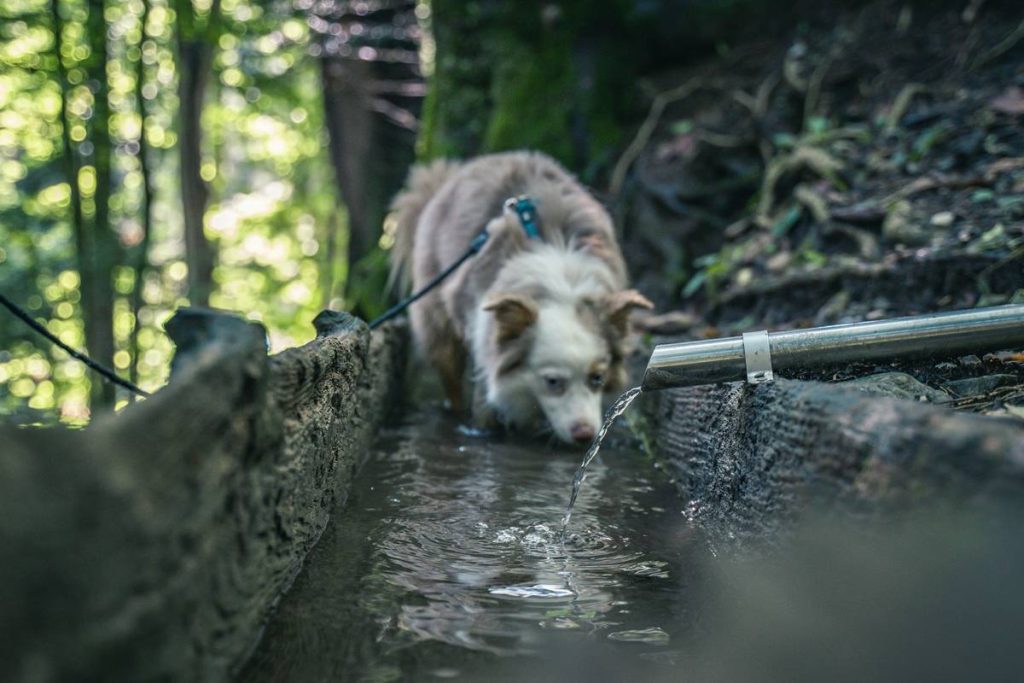
Here’s what manufacturers won’t tell you: many dogs prefer drinking from a slow stream rather than a stagnant pool. It mimics natural water sources—and reduces gulping, which can trigger bloat in deep-chested breeds.
I tested this with a rescue husky named Koda. Gave him a wide bowl: he’d lap frantically, then vomit. Switched to a bottle with a controlled drip nozzle: calm drinking, zero issues. The bowl wasn’t the problem—the delivery method was.
Think about it. Wild canines don’t bend over still puddles. They lap from moving streams. Your gear should reflect biology—not marketing brochures.
Frequently Asked Questions
Can I use a regular water bottle for my dog?
Not safely. Without a controlled dispenser, you’ll waste water and may encourage frantic drinking. Dedicated systems regulate flow and reduce spillage.
How much water should I carry per mile?
Roughly ½ to 1 ounce per pound of dog weight per hour in moderate temps. Double that in heat or during intense activity.
Are stainless steel dog water bottles worth it?
Yes—if they have a food-grade interior. They last longer, resist odors, and don’t leach chemicals like scratched plastic can.