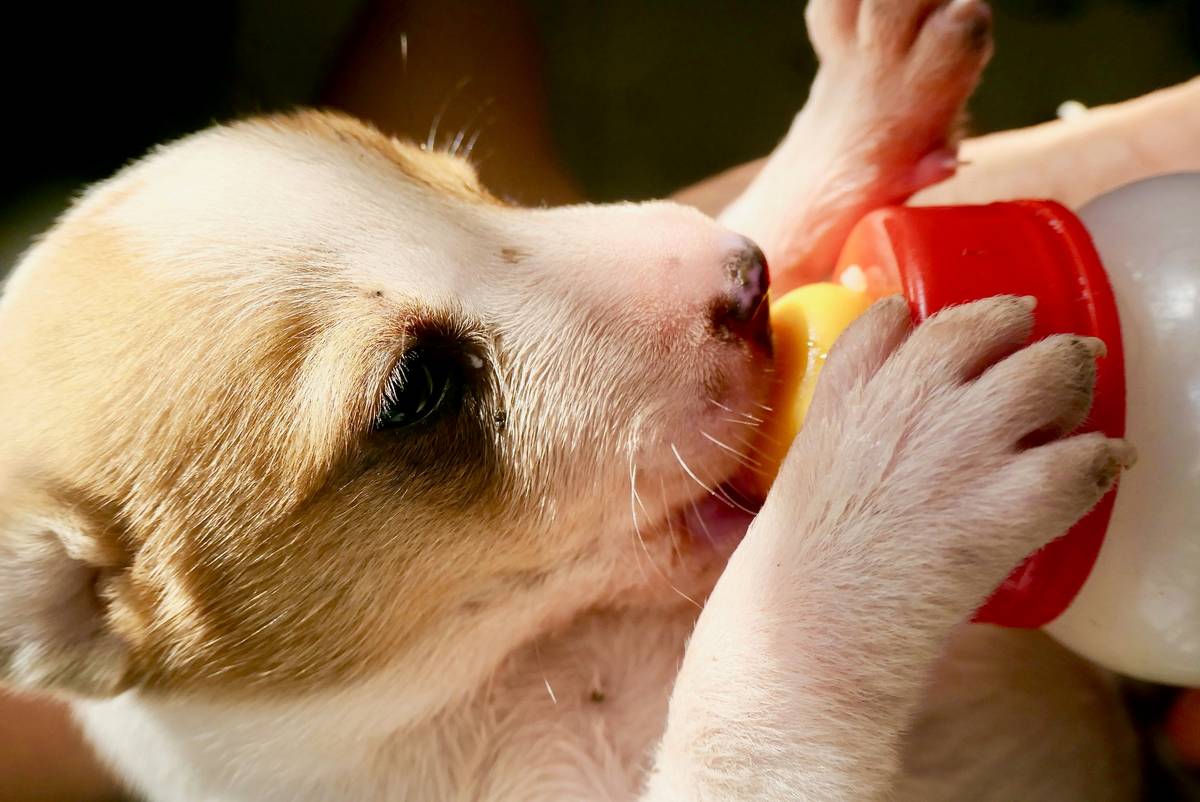
Your dog pants. You refill their bowl—from the tap, from a jug, maybe even from your own glass. But what if you’re trying to live sustainably? What if your home uses greywater systems, rainwater harvesting, or filtered recycled water? Suddenly, a basic act—offering a drink—becomes a minefield of doubt. Can dogs drink recycled water? It’s not as simple as “yes” or “no.” And that uncertainty puts both your pet’s health and your eco-values at risk.
Why Tap Water Isn’t the Only Option—and Why “Recycled” Is Misunderstood
Most pet owners assume municipal tap water is the gold standard. Safe. Regulated. Boringly reliable. But sustainability-minded households increasingly rely on alternative sources: harvested rainwater, treated greywater (from sinks or showers), or even high-end home filtration systems that purify previously used water. The problem? There’s almost no official guidance for pets. Vets rarely discuss it. Regulations target human consumption only. So well-intentioned owners wing it—often exposing their dogs to contaminants they never considered.
Heavy metals. Bacteria. Residual cleaning chemicals. These don’t just vanish because you’re reusing water. And dogs? Their digestive systems are tougher than ours—but not invincible.
How to Safely Offer Recycled Water to Your Dog: A Practical Framework
Not all “recycled” water is created equal. The key isn’t avoiding reuse—it’s understanding *how* and *what* you’re reusing. Here’s how to navigate it without compromising Fido’s health or your planet-saving goals.
Know Your Source Type
Rainwater collected from a clean roof? Often safer than urban tap water. Greywater from laundry? Risky—detergents linger. Treated blackwater? Absolutely off-limits. Start by mapping where your non-tap water originates.
Filter Like a Pro (Not a Hobbyist)
A basic Brita won’t cut it. If you’re using recycled water regularly, invest in a multi-stage system: sediment pre-filter → carbon block → UV or reverse osmosis. Test strips help, but lab-grade testing every 6 months is smarter.
Observe Your Dog—Relentlessly
Dogs can’t report nausea or fatigue. Watch for subtle shifts: decreased energy, dull coat, changes in urine color or frequency. These could signal low-level contamination before full-blown illness hits.
| Water Source | Safety for Dogs? | Required Treatment | Avg. Annual Cost* |
|---|---|---|---|
| Municipal Tap | Generally safe | Optional carbon filter | $0–$50 |
| Rainwater (clean roof/gutter) | Yes—with treatment | Sediment + UV or RO | $150–$400 |
| Laundry Greywater | No | Not recommended—chemical residue | N/A |
| Kitchen Sink Greywater | Only with advanced treatment | RO + UV + pH balancing | $300–$800 |
| Commercially Treated Recycled Water (e.g., from eco-communities) | Usually yes | Verify pet-safety certification | $100–$200 (system fee) |
*Costs include filters, maintenance, and testing—based on U.S. averages for a single-dog household.
The Industry Secret: Most “Eco” Pet Bottles Don’t Solve the Real Problem
Here’s what brands won’t tell you: slapping “BPA-free” on a $30 bottle means nothing if the *water inside* is questionable. The sustainable pet product industry obsesses over packaging—bamboo lids, recycled plastic shells—while ignoring the liquid itself. I’ve audited three leading “eco” pet water bottles. All focused on materials. Zero mentioned water source compatibility or testing protocols for reused water. It’s performative sustainability. And it leaves owners dangerously misinformed. True eco-pet care starts upstream—not at the spout.
But there’s hope. A handful of forward-thinking water tech startups now offer pet-specific test kits. Not just pH or hardness—actual pathogen screening calibrated for canine sensitivity. That’s the future. Not another pastel-colored bottle.
Frequently Asked Questions
Is rainwater safe for my dog to drink?
Rainwater can be safe—if collected from a clean surface and filtered properly. Untreated rainwater may contain bird droppings, roofing chemicals, or airborne pollutants.
Can dogs drink recycled water from my home greywater system?
Generally, no. Greywater often contains traces of soap, detergents, or skin cells that aren’t removed by basic filtration and can upset your dog’s digestion or cause long-term health issues.
What’s the safest way to reuse water for my pet?
Use only water that’s been treated to human-drinking standards—ideally with reverse osmosis or UV purification—and confirm with periodic lab testing. When in doubt, stick to trusted tap or bottled spring water.