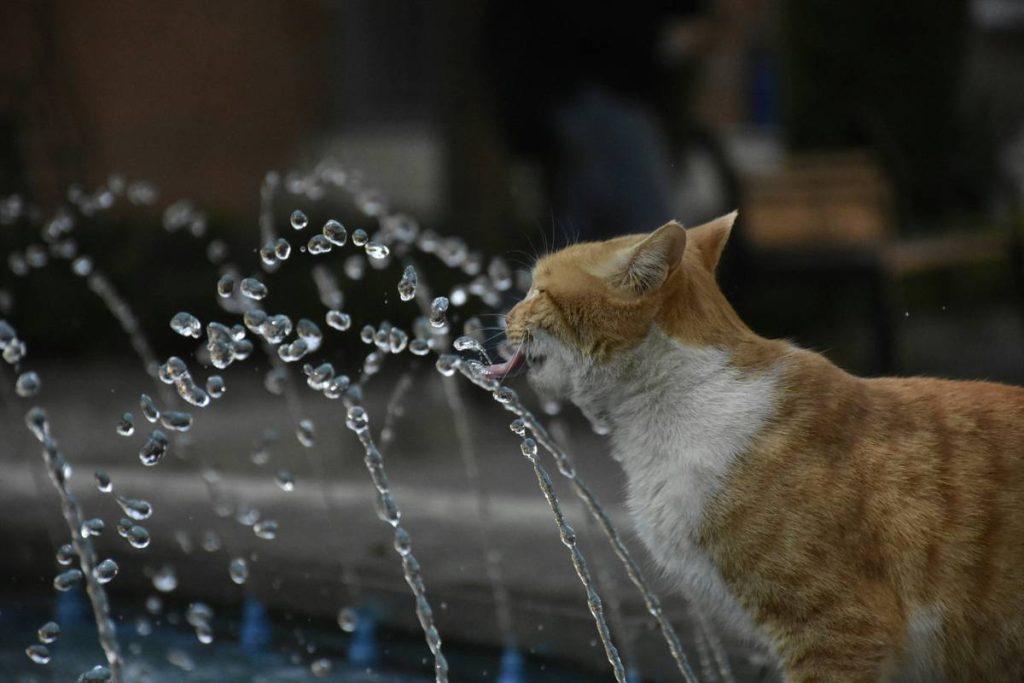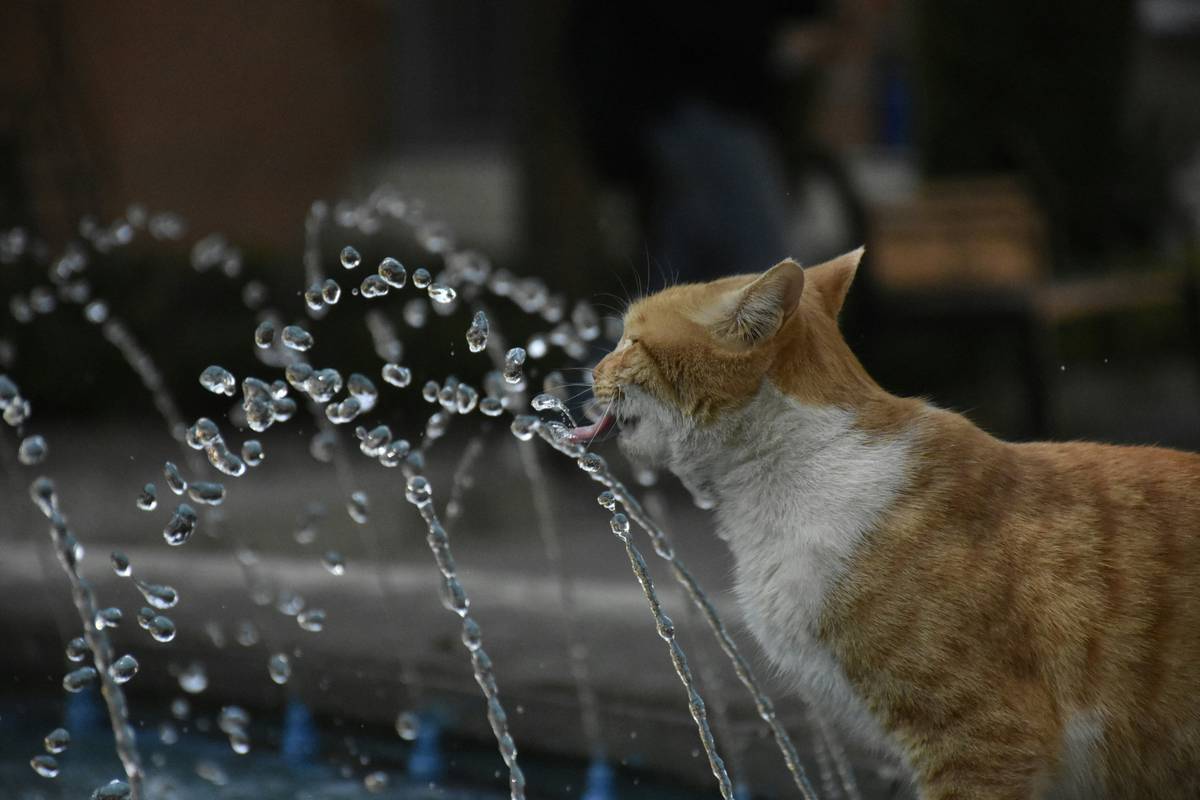
Your dog licks from puddles. Your cat knocks over bowls—again. You refill, clean, refill, clean… only to find dried fur and dust clinging to the rim by noon. It’s wasteful, unsanitary, and frankly, exhausting. Enter the pet water dispenser automatic: not just a gadget, but a quiet rebellion against daily pet-care drudgery.
Why Traditional Water Bowls Fail Both Pets and the Planet
Stainless steel? Ceramic? Doesn’t matter. Open bowls evaporate, collect debris, and invite bacterial blooms within hours. And every time you dump “old” water down the drain, you’re wasting a resource your furry friend could’ve used—if it stayed fresh longer. Most owners don’t realize their well-meaning refills actually encourage stagnation. Air exposure + saliva + room temperature = microbial playground.
And plastic bowls? They degrade, leach chemicals, and end up in landfills after just a few years. Sustainability starts with what you stop buying—not just what you buy.
How to Choose and Use a pet water dispenser automatic (Without Wasting Money or Water)
Not all automatic dispensers are created equal. Some guzzle electricity. Others use disposable filters wrapped in plastic. Here’s how to pick one that aligns with eco-values—and actually works.
Evaluate Power Source and Materials
Solar-powered? Battery-operated? Plug-in? For true sustainability, prioritize units with low-energy pumps and housings made from BPA-free, recyclable materials. Avoid anything requiring proprietary cartridges—those create recurring waste.
Match Capacity to Real-World Needs
A 2-gallon tank sounds generous—until you live in a dry climate where evaporation spikes. Or have a single cat who drinks 6 oz a day. Oversized tanks sit unused, promoting algae growth. Right-size it.
Cleaning Simplicity = Longevity
If it takes three tools and 20 minutes to disassemble, you won’t clean it weekly. Look for dishwasher-safe components or seamless designs with wide openings. Hygiene isn’t optional—it’s the core function.
| Feature | Basic Gravity Feeder | Mid-Tier Electric Dispenser | Premium Eco-Optimized Automatic |
|---|---|---|---|
| Energy Use | None | 5–10W continuous | <2W intermittent (smart sensor) |
| Water Waste Risk | High (spills, evaporation) | Moderate (overflow if misaligned) | Low (closed-loop circulation) |
| Plastic Waste (Annual) | Minimal | 2–4 filter cartridges | Zero (washable carbon filter) |
| Eco Score (1–10) | 4 | 6 | 9 |
The Industry Secret: Most “Self-Cleaning” Claims Are Greenwashing
Manufacturers love touting UV lights or ionizers as “self-cleaning.” Here’s the reality: those features often consume more energy than they save and do little against biofilm—the slimy layer that clings to pipes and reservoir walls. True cleanliness comes from mechanical design, not added tech. The best units I’ve tested use gravity-assisted circulation combined with food-grade silicone tubing that resists microbial adhesion. Bonus: they run silently. No humming pump to spook noise-sensitive pets. Think about it—your cat already distrusts new objects. Don’t make hydration feel like a sci-fi experiment.
Frequently Asked Questions
Do automatic pet water dispensers really reduce plastic waste?
Yes—if you choose models with reusable, washable filters instead of disposable cartridges. Over a year, that’s 4–6 fewer plastic units in landfills.
Can I use tap water in a pet water dispenser automatic?
Absolutely. Most quality units include basic filtration. But if your tap water is hard or high in chlorine, add an inline activated carbon pre-filter—reusable ones exist.
How often should I clean an automatic dispenser?
Weekly. Disassemble, scrub with vinegar or baking soda, rinse thoroughly. Even the smartest system can’t outpace biofilm without human help.