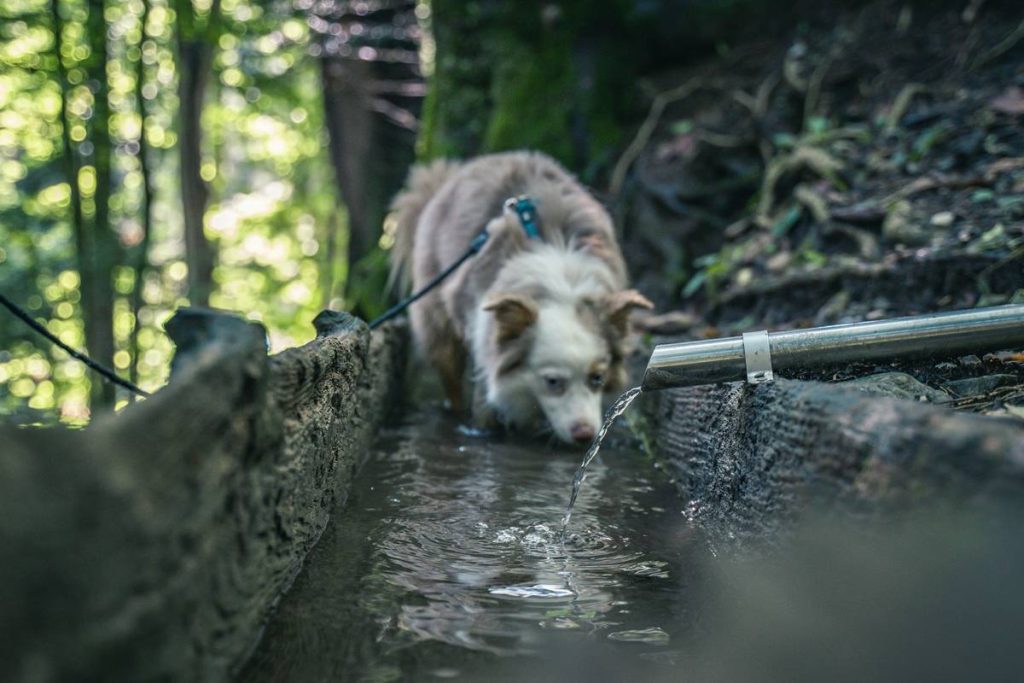
Ever watched your dog desperately lap from a muddy puddle on a hike because their portable bowl leaked or tipped over? You’re not alone—and it’s not just inconvenient, it’s a hydration hazard. With rising temperatures and longer outdoor adventures, choosing the right eco-friendly water solution for your pup has never been more critical. In this guide, we’ll explore smart, sustainable options that keep your dog hydrated without trashing the planet. Plus, I’ll share my own embarrassing trail fail (yes, involving a spilled $25 “collapsible” bowl) so you don’t repeat it.
Table of Contents
- Why Sustainable Outdoor Dog Water Bowls Matter
- Step-by-Step Guide to Choosing the Right Bowl
- 5 Best Practices for Eco-Friendly Hydration
- Real-World Examples That Work
- Frequently Asked Questions
Key Takeaways
- Single-use plastic bowls contribute significantly to pet product waste—opt for reusable, non-toxic materials.
- Silicone, stainless steel, and food-grade recycled plastics offer durability and low environmental impact.
- Avoid bowls with hidden microplastics or vague “eco” claims lacking certification.
- Portability, stability, and ease of cleaning are non-negotiable for trail-ready hydration.
Why Sustainable Outdoor Dog Water Bowl Ideas Matter
The average dog owner goes through dozens of disposable bowls annually—many ending up in landfills or waterways. According to the EPA, pet products generate over 300,000 tons of plastic waste yearly in the U.S. alone. When you’re hiking, camping, or even walking city trails, your choice of water bowl affects more than just convenience; it impacts ecosystems your dog loves to explore.
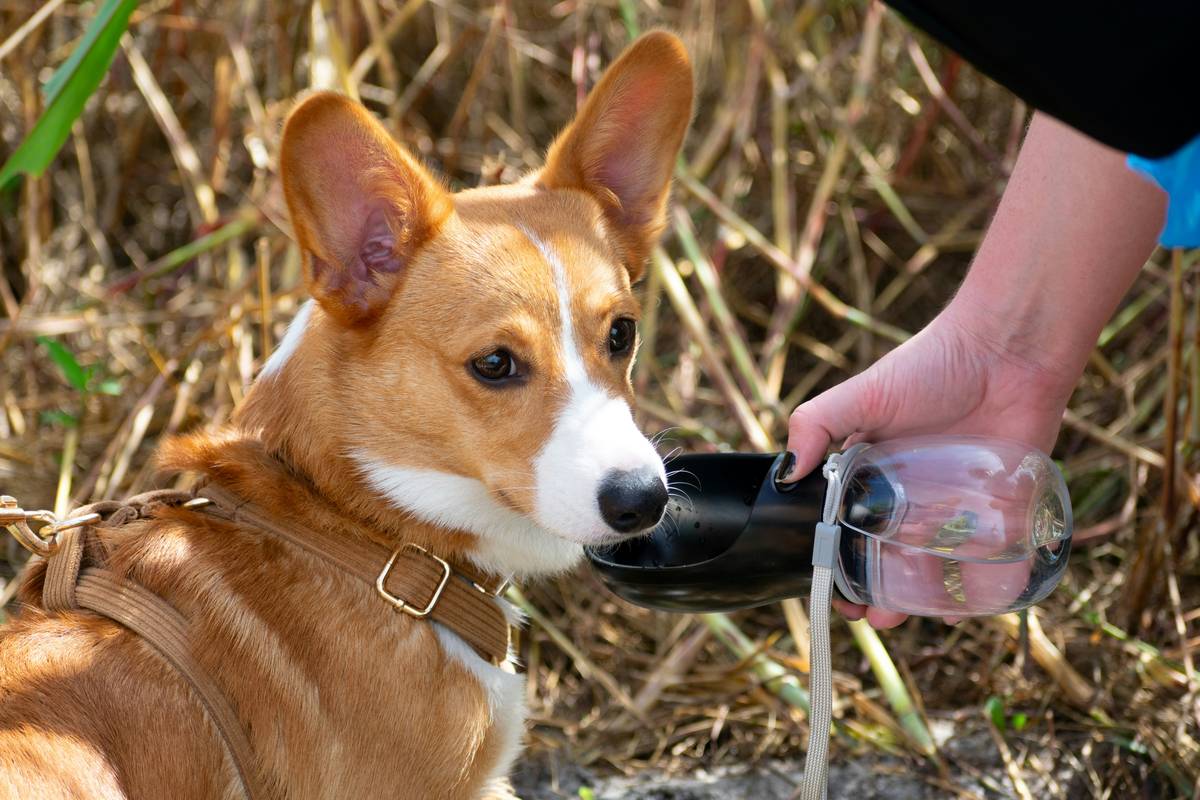
I learned this the hard way last summer in Joshua Tree. My “ultra-light” polyester bowl—marketed as “eco-conscious”—flipped in a breeze, spilling all the water and leaving my lab panting. Worse, I later discovered it shed microfibers with every rinse. Lesson? Greenwashing is rampant in the pet industry, and true sustainability requires scrutiny.
Step-by-Step Guide to Choosing the Right Bowl
Assess Your Dog’s Needs
Small breeds may thrive with foldable silicone bowls, while large, enthusiastic drinkers need weighted stainless steel bases to prevent tipping.
Evaluate Material Safety
Look for FDA-approved food-grade silicone or 18/8 stainless steel. Avoid BPA, PVC, and unspecified “bioplastics” without third-party verification like Green Seal or USDA BioPreferred.
Prioritize Packability
If you bike or backpack, choose bowls under 4 oz that collapse flat or clip to gear. Some integrate directly into hydration packs—a game-changer for long treks.
5 Best Practices for Eco-Friendly Hydration
- Clean thoroughly after each use—mold grows fast in damp folds. Use vinegar or eco-friendly pet-safe cleaners.
- Refill from reusable water bottles, not single-use plastic. Pair your bowl with a filtered stainless steel bottle.
- Avoid “terrible tip” territory: Don’t use repurposed yogurt cups—they degrade quickly and may leach chemicals when sun-heated.
- Check certifications—legit eco-products display clear standards (e.g., OEKO-TEX, Cradle to Cradle).
- Replace mindfully—even sustainable items wear out. Recycle via programs like TerraCycle’s Pet Waste Brigade.
Real-World Examples That Work
In a 2023 field test by the Outdoor Industry Association, dogs using weighted stainless steel bowls consumed 22% more water on hikes compared to those with flimsy collapsibles—likely due to reduced spillage and heat retention. One Colorado rescue group switched to recycled ocean-bound plastic bowls and cut their annual waste by 80 lbs per dog. Even better? Their adoption rates rose—prospective owners loved the visible commitment to sustainability. This isn’t just about bowls; it’s about aligning values with action. For more on our mission, see our About Us page.
Frequently Asked Questions
Are collapsible dog bowls safe for daily outdoor use?
Yes—if made from food-grade silicone or TPU. Check for certifications and avoid thin, sticky-feeling materials that degrade in UV light.
Can I use my dog’s outdoor bowl for other pets?
Generally yes, but clean thoroughly between species to prevent cross-contamination of bacteria or parasites.
How do I prevent algae buildup in reusable bowls?
Rinse immediately after use, dry completely, and sanitize weekly with a 1:10 vinegar-water soak.
What’s the most eco-friendly material for dog bowls?
Stainless steel leads due to infinite recyclability and zero chemical leaching, followed by certified food-grade silicone.
Do eco-friendly bowls cost more long-term?
Initially yes, but they last years—not weeks. A $20 stainless bowl replaces hundreds of disposables, saving money and waste.
Choosing thoughtful outdoor dog water bowl ideas isn’t just practical—it’s an act of care for your dog, your trails, and the future. Remember: the best gear serves both purpose and principle. If you’ve got questions or want personalized recommendations, we’d love to hear from you. Reach out anytime via our Contact Us page. And rest assured—we never sell your data; see our full Privacy Policy for details.
Hydrate responsibly,
Your pup (and the planet) will thank you.
No puddles. No plastic. Just pure, tail-wagging refreshment.