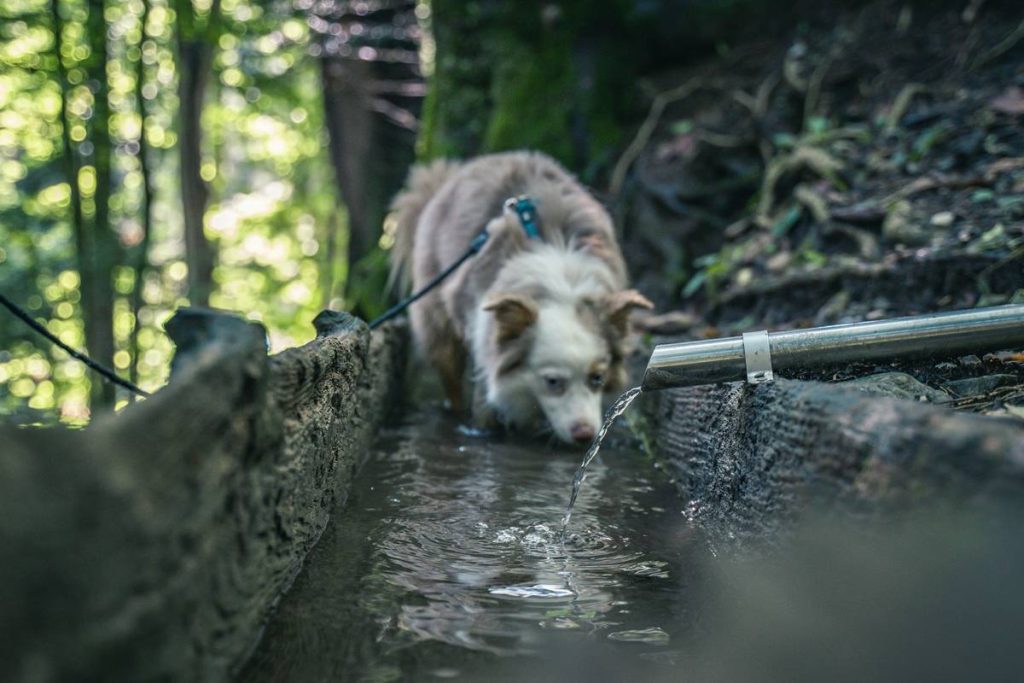
Parched paws. Sun-baked tongues. That sad slurp from an empty plastic dish tipped over by the breeze—or your overexcited Labrador. Sound familiar? You’re not lazy. You’re just using gear designed for a studio apartment, not 90-degree hikes or backyard marathons. The fix? A true large outdoor water bowl for dogs built for heat, chaos, and real-world thirst.
Why Standard Pet Bowls Fail Outdoors (Spoiler: It’s Not Just About Size)
Most “outdoor” bowls are glorified indoor dishes with a rubber ring glued underneath. They tip. They bake in UV rays. Algae blooms by day two. And if your dog weighs more than your carry-on luggage, forget stability.
But here’s what nobody admits: capacity alone won’t save you. A giant bowl that’s light as styrofoam becomes a frisbee the moment your pup leans in. The issue isn’t volume—it’s engineering.
Choosing & Using the Right Large Outdoor Water Bowl for Dogs
Material Matters More Than You Think
Stainless steel resists bacteria but gets scorching hot. Ceramic cracks under thermal stress. Food-grade polypropylene? Often the sweet spot—light enough to carry, heavy-duty enough to stay put. Look for UV-stabilized resins if you’re south of the Mason-Dixon line.
Stability Over All Else
A wide, weighted base beats high walls every time. Some brands embed sand chambers or use dual-layer bottoms—genius for windy patios or sandy trails. If it wobbles when you nudge it with your foot, your dog will weaponize it.
Cleaning Realities Nobody Talks About
No matter how “easy-clean” the label claims, crevices = biofilm. Choose seamless interiors. Avoid lids with hidden gaskets. And never trust “dishwasher safe” outdoors—mineral deposits from hard water accelerate degradation.

| Type | Capacity | Weight (Empty) | Best For | Downside |
|---|---|---|---|---|
| Collapsible Silicone | 48 oz | 6 oz | Backpacking, travel | Tips easily; retains odors |
| Double-Wall Polypropylene | 128 oz | 28 oz | Yards, car camping | Bulkier to store |
| Stainless Steel w/ Non-Skid Base | 96 oz | 32 oz | Hot climates, durability | Gets too hot in direct sun |
| Self-Filling Gravity Fed | 150+ oz | 45 oz | Multi-dog households | Complex cleaning; leaks if tilted |

The Industry Secret: Water Temperature Dictates Hydration Frequency
Here’s something no brand advertises: dogs drink less when water hits 85°F+. Their instinct says “risky”—warm water often means stagnant sources in the wild. So even with a massive bowl, if it’s baking in the sun, your dog might sip once and walk away. The hack? Bury half the bowl in shade, or use white-colored exteriors that reflect heat. Some elite trail guides actually wrap bowls in damp mesh sleeves—the evaporative cooling drops temps by 10–15°F. Simple. Underrated. Works.
Frequently Asked Questions
Can I leave a large outdoor water bowl for dogs out year-round?
Only if it’s freeze-resistant. Standard plastic cracks below 20°F. Use heated bowls in winter or bring it inside nightly.
How often should I clean an outdoor dog water bowl?
Every 24 hours in summer. Biofilm forms fast in heat. Scrub with vinegar-water weekly to prevent slimy buildup.
Are metal bowls safer than plastic for outdoor use?
Safer from chewing—but hotter in sun. Stainless won’t leach chemicals, but always place in shade to avoid烫伤 (burn) risks.