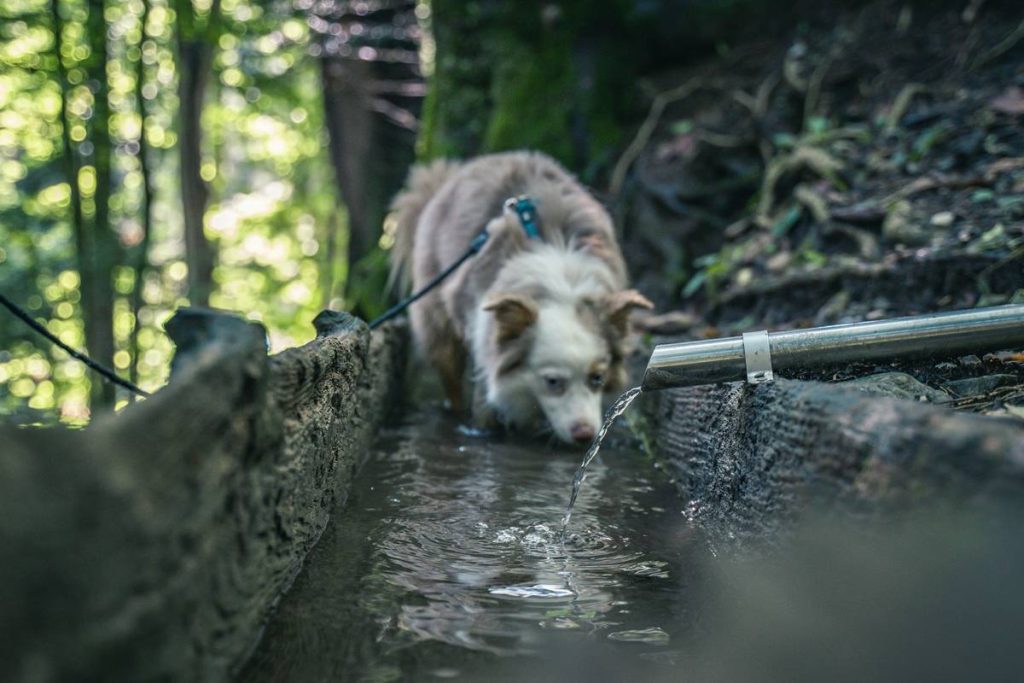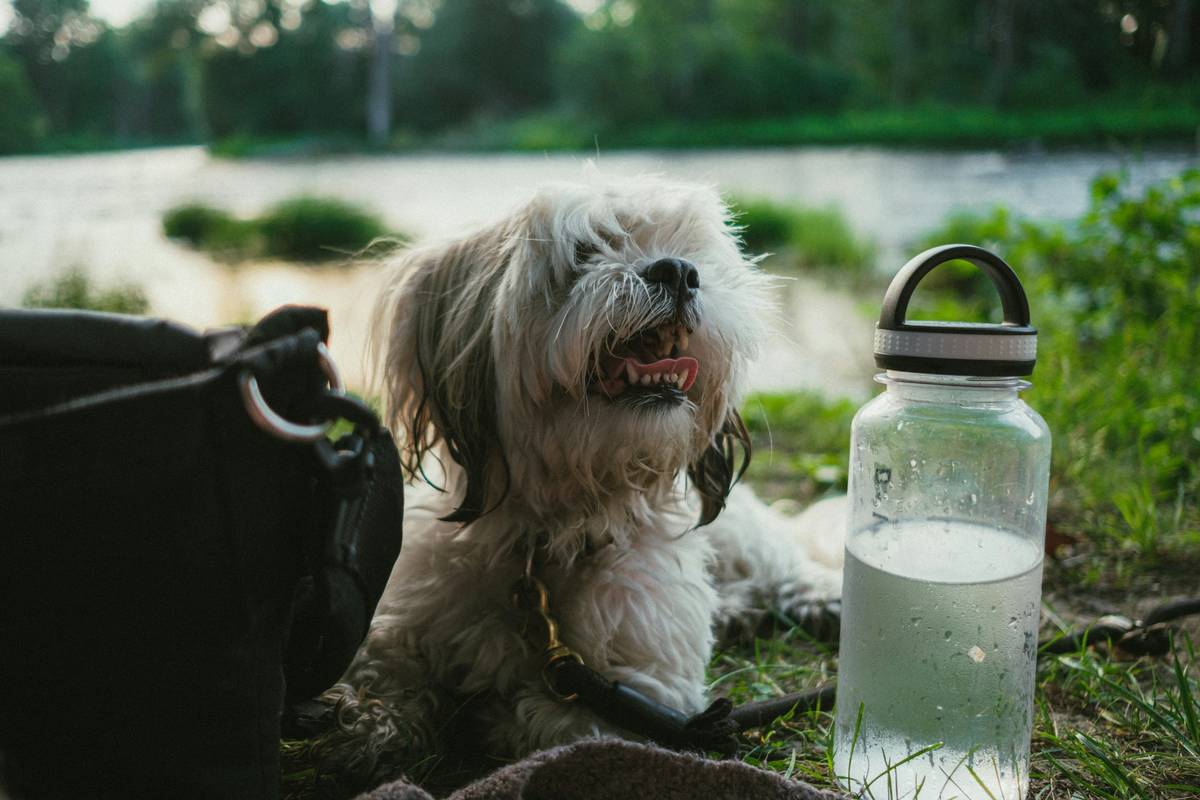
Dehydration on the trail hits dogs faster than you think. You’ve watched them pant, slow down, or refuse to move—but you’re stuck lugging a leaky bottle and a flimsy foldable bowl that spills before they take a sip. A true dog portable water bowl solves this without compromise: instant access, zero waste, no fuss.
The Problem With “Portable” Pet Hydration (Spoiler: Most Are Trash)
Most so-called travel bowls are glorified party cups with legs. They tip over in gravel. Leak in your pack. Collapse mid-lap. And if you’re using a repurposed yogurt container? You’re part of the problem—not the solution.
Here’s the reality: conventional pet bottles attach a tiny dish to a squeeze mechanism. Your dog has to wait while you manually squirt water into it—interrupting their stride, confusing their instinct to drink freely. Worse, stagnant water pools in crevices, breeding bacteria. Think about it: would you sip from a grimy, sloshing cup after a 3-mile hike?
How to Choose & Use a dog portable water bowl That Actually Works
Material Matters More Than You Think
Avoid cheap silicone that absorbs odors and stains. Go for food-grade stainless steel or BPA-free Tritan plastic—it resists scratches, won’t retain smells, and cleans fast.
One-Hand Operation Is Non-Negotiable
If you need two hands to open it while holding a leash, you’ve already failed. The best designs deploy with a thumb press or gravity-fed flip.
Capacity vs. Weight Trade-Off
Larger reservoirs = fewer refills but heavier packs. For day hikes under 5 miles, 16–20 oz is ideal. Anything beyond? Consider dual-bottle systems.
| Type | Pros | Cons | Best For |
|---|---|---|---|
| Squeeze Bottle + Dish Combo | Lightweight, cheap | Leaks easily, inconsistent flow, hard to clean | Casual walks under 1 mile |
| Collapsible Silicone Bowl | Packs flat, inexpensive | Spills on uneven ground, traps residue | Backyard backup only |
| Gravity-Fed Rolling Bottle | No pumping needed, self-sealing, large capacity | Slightly bulkier | Hiking, running, multi-hour outings |
| Insulated Stainless Steel Tumbler Style | Durable, keeps water cool, dishwasher-safe | Heavier, pricier | Hot climates, frequent travelers |
The Industry Secret: Vet Techs Reuse Human-Grade Hydration Gear
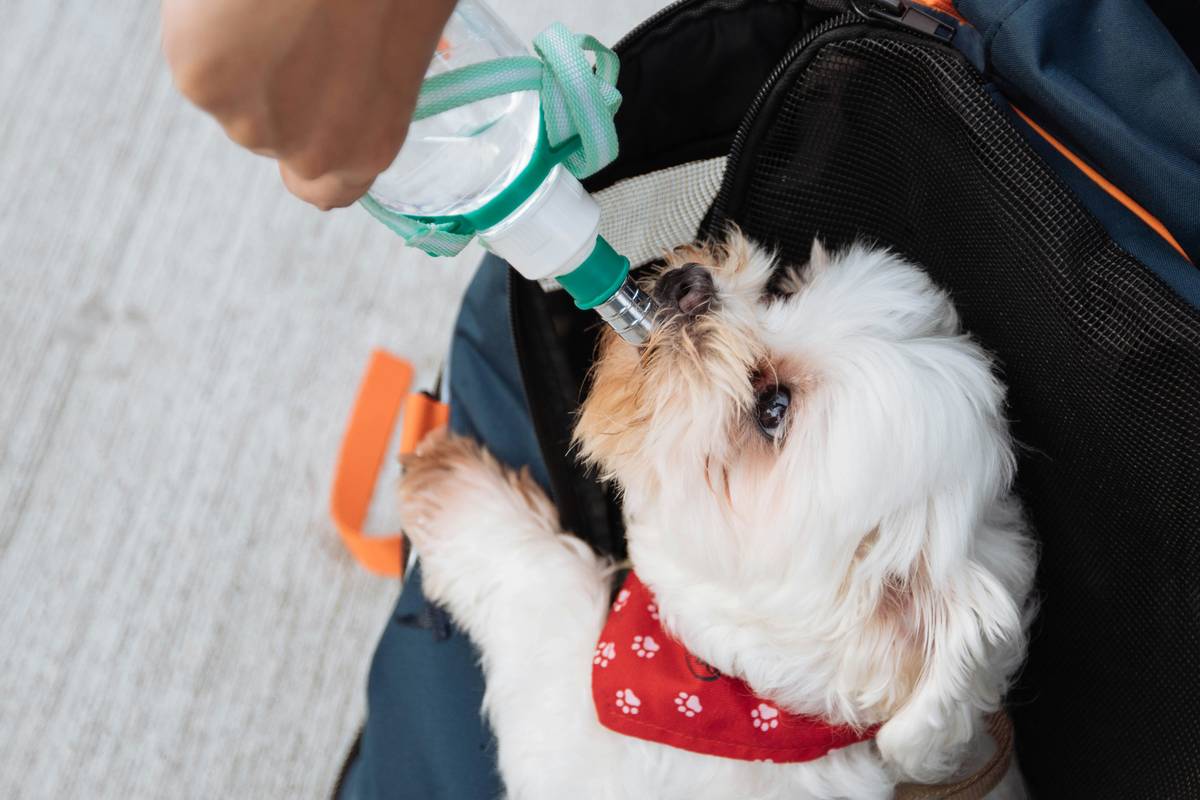
Here’s what no brand will tell you: at wildlife rescue centers and mobile vet units, they often retrofit human hydration bladders with pet-safe nozzles. Why? Because pet-specific products skimp on flow rate and seal integrity. The math is simple: if it’s good enough for endurance athletes, it’s good enough for your Border Collie crushing 10K trails.
But—and this is critical—you must verify all contact surfaces are FDA-compliant for animal use. Some human-grade materials contain coatings unsafe for prolonged canine exposure. Always check for explicit pet-safety certification, not just “BPA-free.”
Frequently Asked Questions
Can I use a regular water bottle as a dog portable water bowl?
No. Most lack spill-proof dispensing and encourage gulping from narrow openings, which can cause bloat or aspiration.
How often should I clean my dog’s portable bowl?
After every single use. Residual moisture breeds biofilm—even if it looks clean. Rinse, then wash with vinegar or pet-safe soap.
Are collapsible bowls eco-friendly?
Only if they last. Many tear within months, creating micro-plastic waste. A durable stainless steel model lasts years—true sustainability.